

Introduction
If you own a bakery, restaurant, café, cloud kitchen, or simply enjoy cooking at home, you’ve probably come across the terms butter paper and greaseproof paper. Many people use these names interchangeably, assuming they refer to the same product. However, while they may look similar and are often used for food packaging, butter paper and greaseproof paper are not exactly the same.
Understanding the difference between these two papers can help you choose the right packaging or baking solution for your specific needs. In this guide, we’ll explain what each type of paper is, their features, applications, and which one is the better choice for different food-related tasks.
What is Butter Paper?
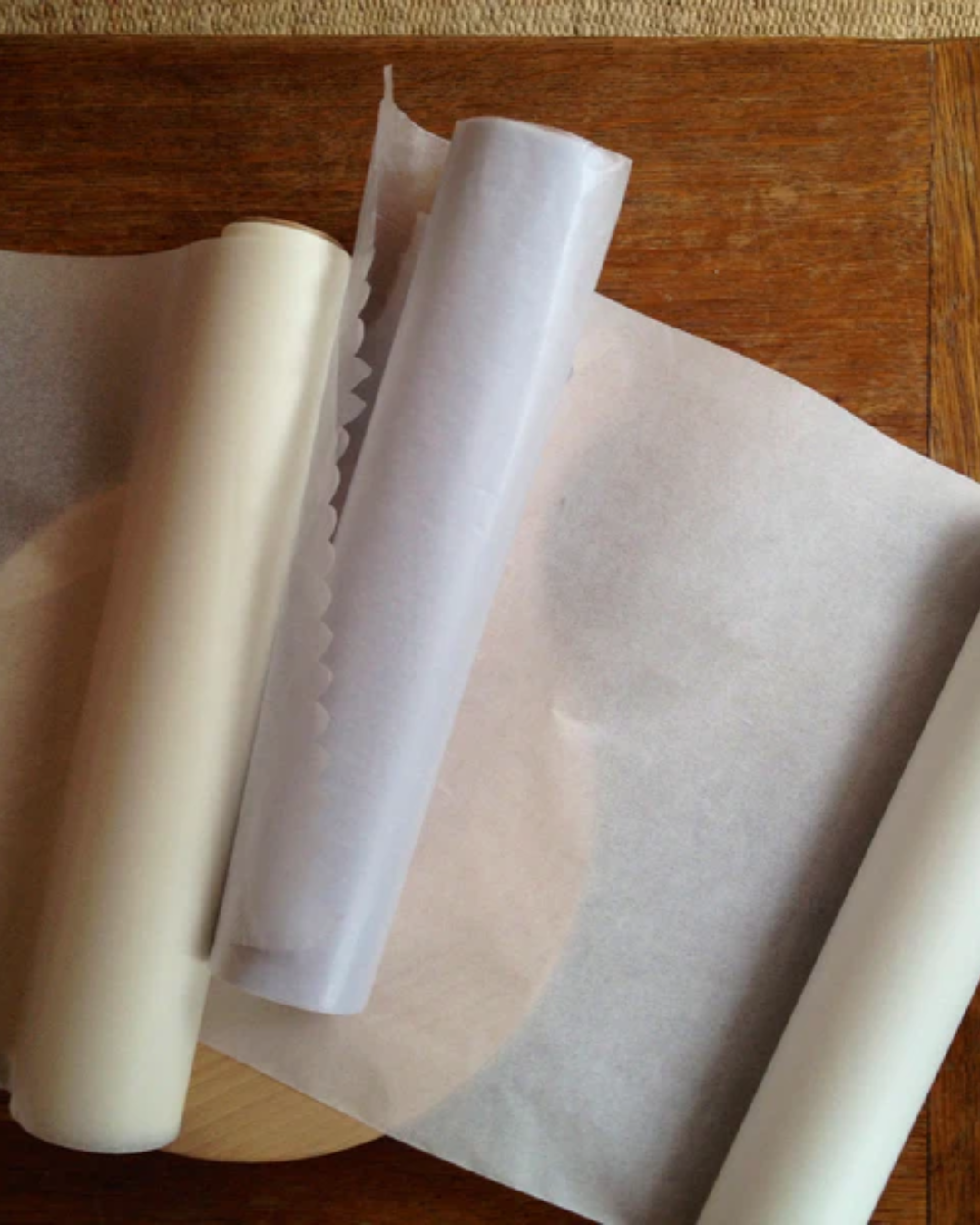
Butter paper is a food-grade paper that features a smooth, non-stick surface, making it ideal for baking and food preparation. Most modern butter paper is coated with food-safe silicone, allowing baked goods to release easily without sticking.
Butter paper is commonly used in:
- Baking cakes and cookies
- Lining cake tins and baking trays
- Wrapping butter and cheese
- Packing bakery products
- Air fryer and oven cooking
- Chocolate and confectionery production
Its heat-resistant properties make it suitable for oven use, making it a favorite in bakeries and commercial kitchens.
What is Greaseproof Paper?
Greaseproof paper is specially manufactured to resist oil, grease, and moisture. During production, the paper fibers are refined and compressed to create a dense structure that prevents grease from passing through.
Unlike standard paper, greaseproof paper keeps food packaging clean while preserving freshness.
It is widely used for:
- Burger wrapping
- Sandwich wrapping
- Fast-food packaging
- French fries and snacks
- Wraps and rolls
- Bakery takeaway packaging
- Food delivery
- Deli counters
Greaseproof paper is especially popular in restaurants, cafés, cloud kitchens, and QSR (Quick Service Restaurant) businesses.
Butter Paper vs. Greaseproof Paper
| Feature | Butter Paper | Greaseproof Paper |
| Primary Use | Baking | Food Wrapping & Packaging |
| Surface | Non-stick | Grease-resistant |
| Heat Resistant | Yes | Limited (depends on grade) |
| Oven Safe | Yes | Not always |
| Oil Resistance | Good | Excellent |
| Moisture Resistance | Moderate | High |
| Food Wrapping | Yes | Excellent |
| Baking | Excellent | Not recommended for all baking applications |
| Coating | Usually Silicone Coated | Specially processed without heavy coating |
| Best For | Cakes, Cookies, Pastries | Burgers, Sandwiches, Fries, Wraps |
Are Butter Paper and Greaseproof Paper the Same?
The simple answer is No.
Although both are food-safe papers and sometimes appear similar, they are designed for different purposes.
Butter Paper
- Primarily used for baking.
- Offers a non-stick surface.
- Handles oven temperatures effectively.
- Prevents baked goods from sticking to trays.
Greaseproof Paper
- Specifically designed for food packaging.
- Prevents oil and grease from soaking through.
- Maintains a neat presentation for takeaway food.
- Ideal for wrapping greasy foods.
Which Paper Should You Choose?
Choose Butter Paper If You:
- Bake cakes or cookies.
- Need a non-stick baking surface.
- Use ovens regularly.
- Want easy food release.
Choose Greaseproof Paper If You:
- Own a restaurant or café.
- Package burgers or sandwiches.
- Serve oily or greasy foods.
- Need attractive food wrapping.
- Operate a takeaway or food delivery business.
Can Greaseproof Paper Be Used for Baking?
Some premium greaseproof papers can withstand moderate oven temperatures. However, unless the manufacturer specifically labels the paper as oven-safe, it should not replace butter paper or baking parchment for baking applications.
Always check the product specifications before using greaseproof paper inside an oven.
Can Butter Paper Be Used for Food Wrapping?
Yes.
Butter paper can be used for wrapping sandwiches, bakery products, pastries, and dry food items. However, for oily foods such as burgers, fries, kebabs, or wraps, greaseproof paper generally offers better grease resistance and a cleaner presentation.
Benefits of Using Food-Grade Wrapping Papers
Whether you choose butter paper or greaseproof paper, using premium food-grade wrapping paper offers several advantages:
- Maintains food hygiene
- Preserves freshness
- Improves food presentation
- Prevents grease leakage
- Safe for direct food contact
- Eco-friendly packaging alternative
- Enhances customer experience
- Supports sustainable food packaging
Industries That Use Butter Paper and Greaseproof Paper
These food-grade papers are widely used across various industries, including:
- Restaurants
- Bakeries
- Cafés
- Fast Food Chains
- Cloud Kitchens
- Hotels
- Catering Services
- Food Trucks
- Supermarkets
- Home Kitchens
- Confectionery Businesses
Why Choose OnnixWrap Food Wrapping Solutions?
At OnnixWrap, we manufacture premium-quality food-grade papers designed to meet the needs of modern food businesses. Our range includes greaseproof paper, butter paper, baking paper, parchment paper, and food wrapping solutions that deliver superior performance, hygiene, and sustainability.
Our Advantages
- Premium food-grade materials
- Excellent grease resistance
- Eco-friendly packaging solutions
- Custom printing and branding options
- Bulk supply for commercial businesses
- Consistent quality assurance
- Competitive pricing
- Reliable nationwide delivery
Whether you’re packaging takeaway meals or preparing baked goods, OnnixWrap provides dependable food packaging solutions that protect your products and elevate your brand.
Frequently Asked Questions (FAQs)
1. Is butter paper the same as greaseproof paper?
No. Butter paper is primarily designed for baking and has a non-stick surface, while greaseproof paper is designed to resist oil and grease for food packaging.
2. Can I bake with greaseproof paper?
Only if the product is specifically labeled as oven-safe. Otherwise, use butter paper or parchment paper for baking.
3. Which paper is best for burger wrapping?
Greaseproof paper is the preferred choice because it prevents oil and grease from soaking through the packaging.
4. Is butter paper food-safe?
Yes. Quality butter paper is made from food-grade materials and is safe for direct food contact.
5. Is greaseproof paper eco-friendly?
Many modern greaseproof papers, including premium options from reputable manufacturers, are recyclable or biodegradable, making them a more sustainable packaging choice than plastic.
Conclusion
While butter paper and greaseproof paper may look alike, they serve different purposes. Butter paper is the ideal solution for baking because of its non-stick and heat-resistant properties, whereas greaseproof paper is specifically engineered to wrap oily and greasy foods without leakage.
Choosing the right paper ensures better food safety, improved presentation, and a superior customer experience. Whether you’re a professional baker, restaurant owner, or home cook, selecting the correct food-grade paper can make a significant difference in the quality and convenience of your food preparation and packaging.
For premium food wrapping papers, butter paper, greaseproof paper, baking paper, parchment paper, and custom food packaging solutions, OnnixWrap is your trusted partner for quality, innovation, and reliability.